How Sun Damage Speeds Up Skin Aging | ME MEDSPA
How Sun Damage Speeds Up Skin Aging (And What You Can Do to Protect Your Skin)
Introduction
Have you ever wondered why some people seem to age faster than others, even when they're the same age?
While natural aging affects everyone, sun exposure is one of the biggest causes of premature skin aging. In fact, dermatologists use the term photoaging to describe the visible skin changes caused by years of ultraviolet (UV) radiation.
Unlike chronological aging—which happens naturally over time—photoaging is largely preventable.
Daily exposure to the sun gradually breaks down collagen and elastin, the proteins responsible for keeping your skin firm, smooth, and resilient. Over the years, this damage can contribute to wrinkles, uneven pigmentation, rough skin texture, and skin laxity.
The effects aren't always obvious right away.
Many people spend years enjoying the outdoors without noticing significant changes, only to find that fine lines, sun spots, or deeper wrinkles become more noticeable later in life.
The encouraging news is that protecting your skin today can help reduce future damage, and modern non-surgical treatments may improve the appearance of existing sun-related skin changes.
In this guide, you'll learn how UV rays affect your skin, the common signs of photoaging, practical ways to reduce further damage, and which professional treatments may help restore healthier-looking skin.
What Is Photoaging?
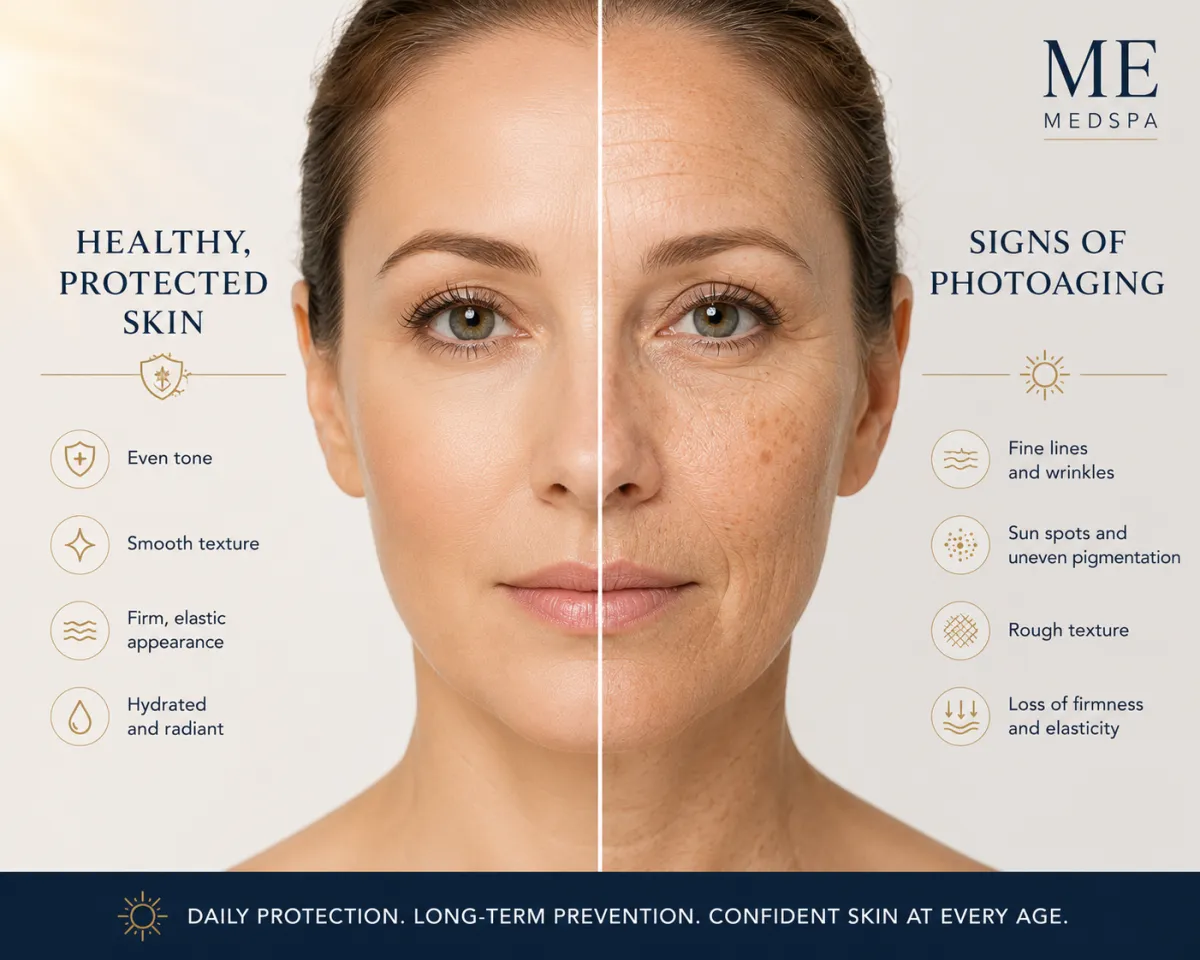
Photoaging refers to the premature aging of the skin caused by repeated exposure to ultraviolet (UV) radiation from the sun.
Although your skin naturally changes as you grow older, UV exposure accelerates many of these changes.
Unlike intrinsic aging—which is influenced by genetics and the passage of time—photoaging is primarily caused by environmental factors.
According to the American Academy of Dermatology, ultraviolet radiation contributes significantly to visible skin aging by damaging collagen, elastin, and other structural components within the skin.
Common signs of photoaging include:
Fine lines and wrinkles
Uneven skin tone
Sun spots (age spots)
Rough skin texture
Reduced elasticity
Sagging skin
Enlarged pores
Many of these concerns develop gradually over years of sun exposure rather than after a single sunburn.
If you'd like to understand how natural collagen loss also contributes to aging, read our guide Why Skin Ages After 30: Understanding Collagen Loss & How to Slow It Naturally.
How UV Rays Damage Collagen and Elastin
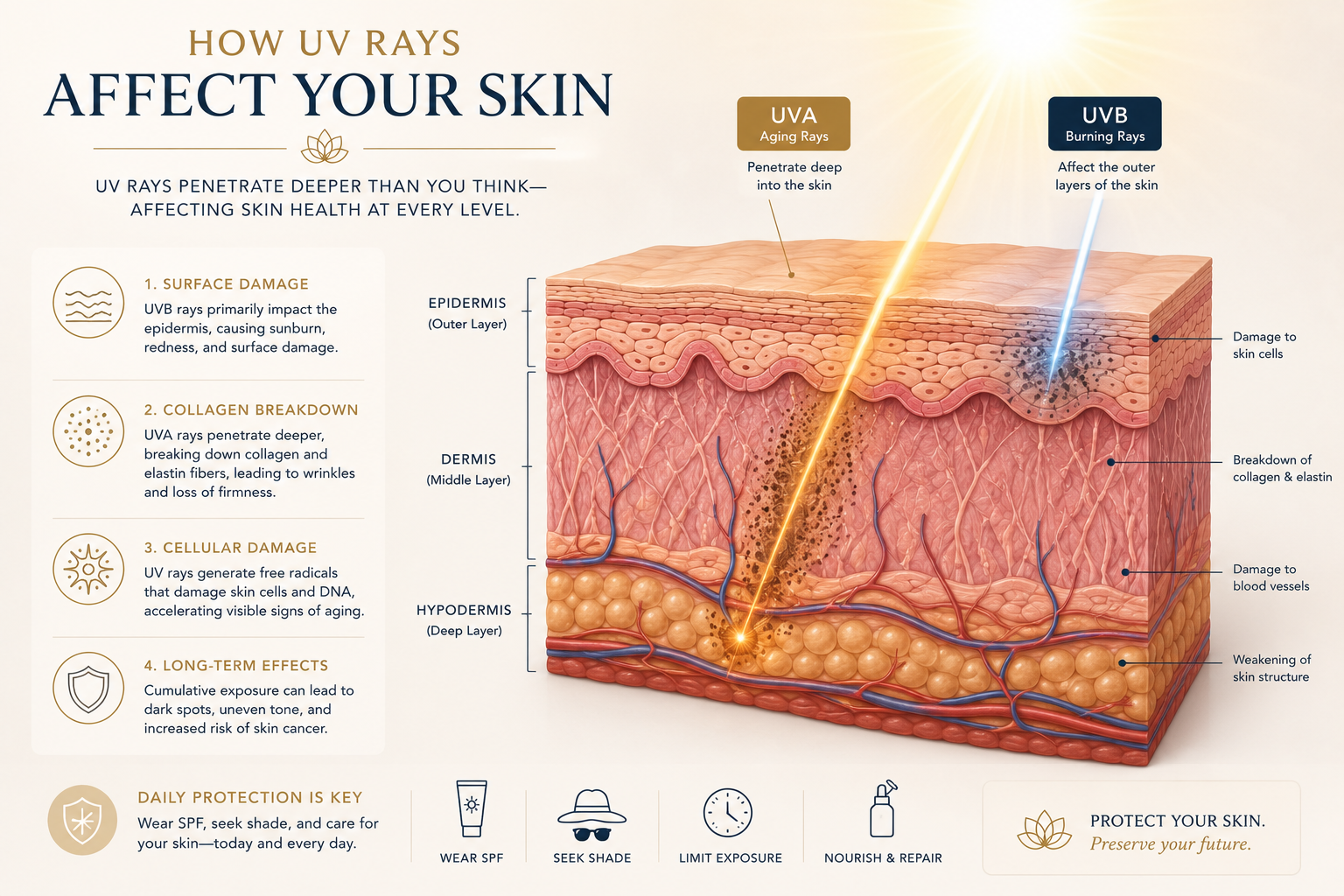
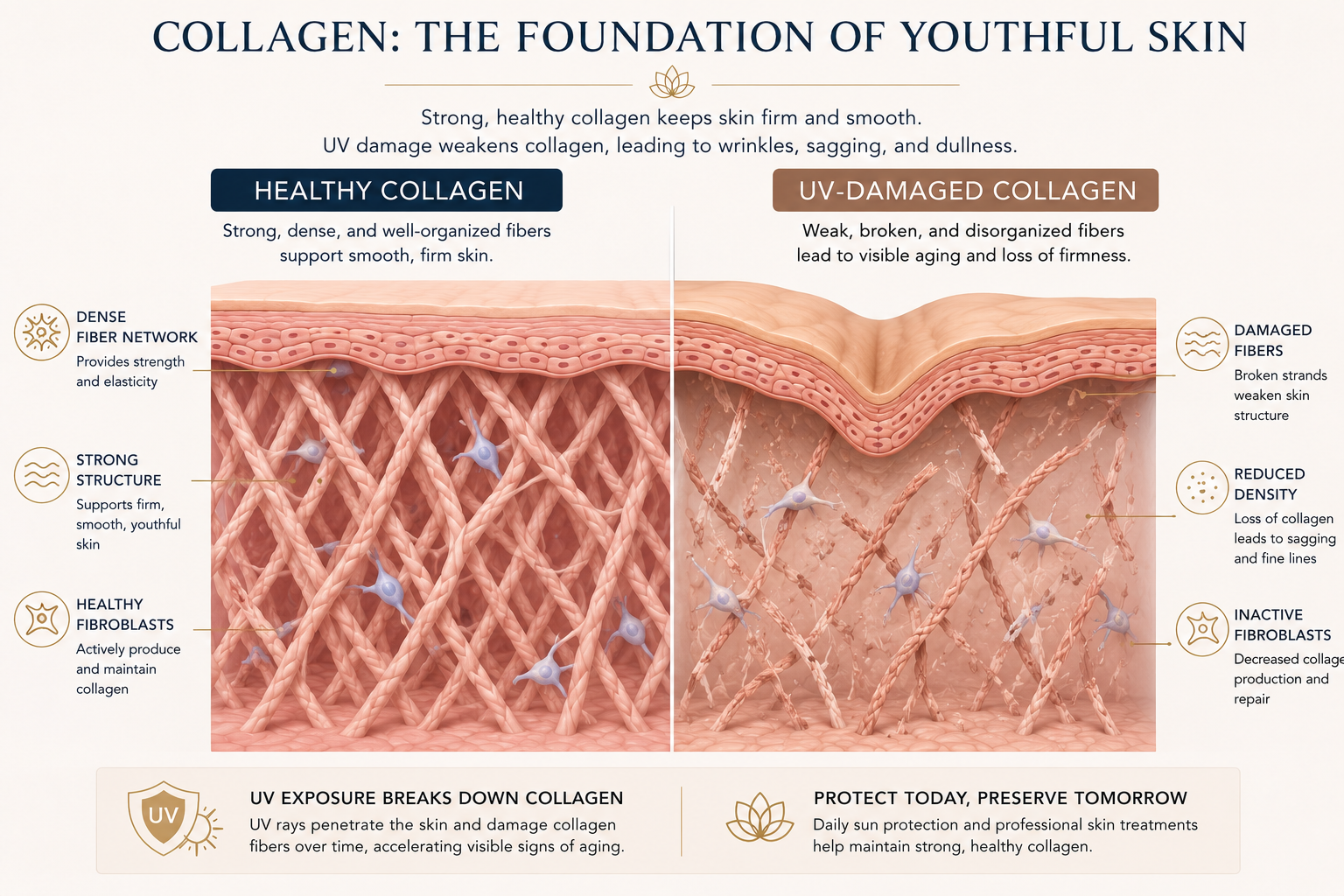
Collagen gives your skin structure, while elastin allows it to stretch and return to its original shape.
When your skin is repeatedly exposed to ultraviolet radiation, it responds by producing molecules known as matrix metalloproteinases (MMPs). These enzymes help break down damaged collagen—but excessive UV exposure can lead to more collagen breakdown than your body can replace.
Over time, this process contributes to:
Thinner skin
Fine lines
Wrinkles
Reduced firmness
Slower skin repair
This is one reason dermatologists often recommend daily sunscreen as part of an anti-aging skincare routine.
Photoaging doesn't only affect the surface of your skin. Long-term UV exposure also contributes to changes beneath the skin that make it appear less firm and more prone to sagging.
If you've already started noticing reduced skin firmness around your cheeks or jawline, you may also find our guide How to Tighten Sagging Skin Without Surgery helpful.
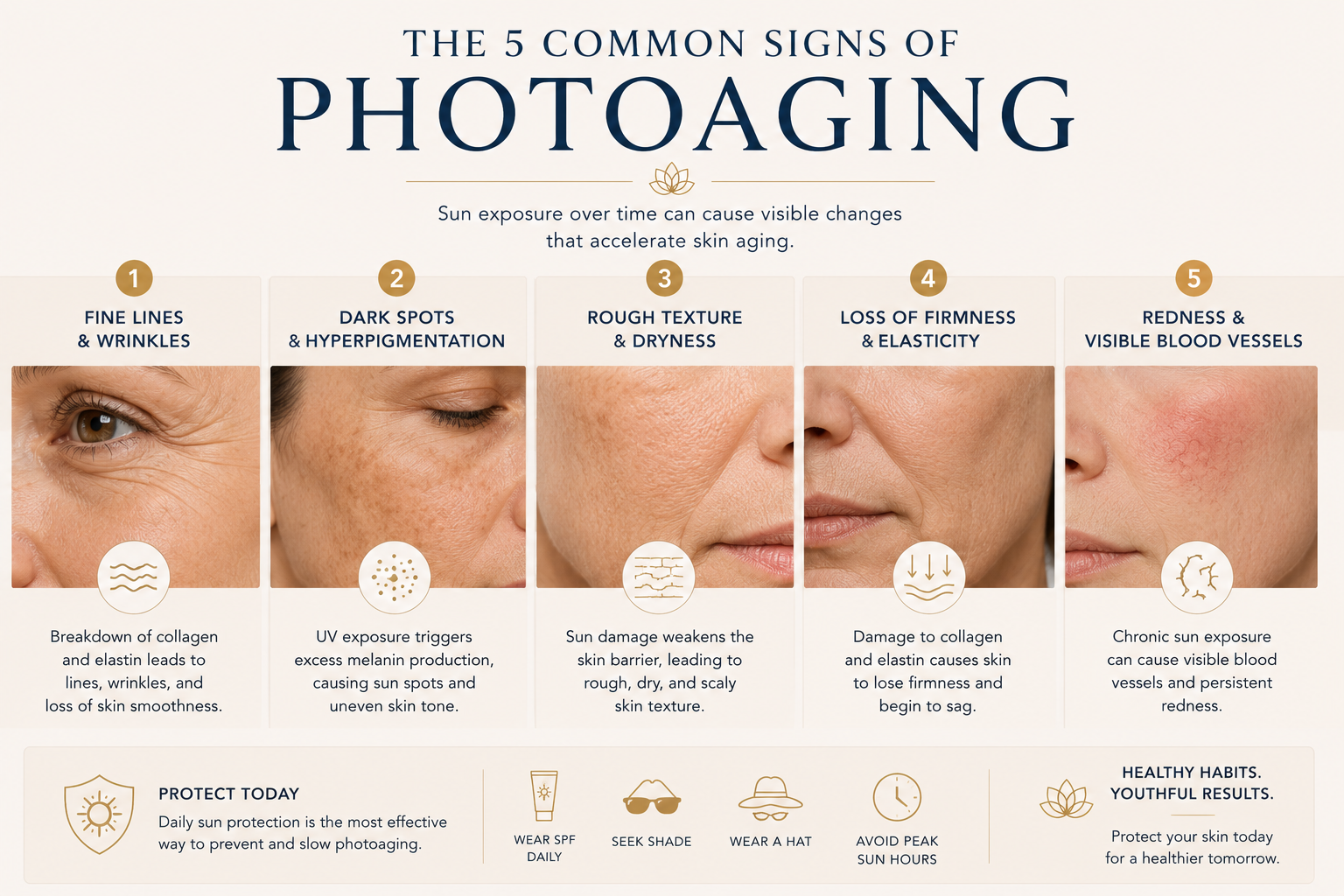
Common Signs of Sun-Damaged Skin
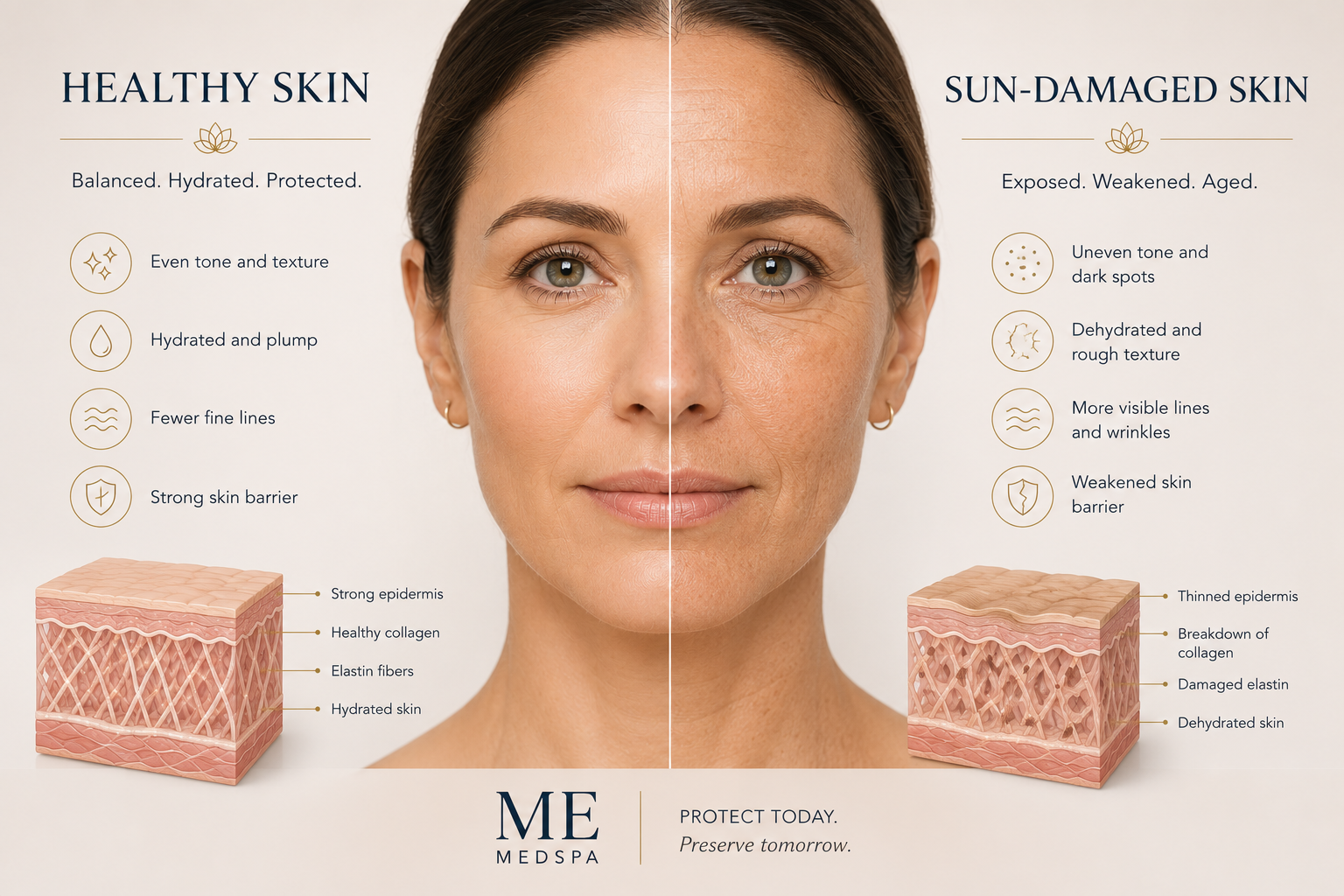
Sun damage doesn't always appear the same way in every person.
Some people notice pigmentation changes first, while others develop wrinkles or rough skin texture.
Common signs include:
Fine Lines and Wrinkles
Repeated UV exposure accelerates collagen breakdown, making expression lines more noticeable over time.
If wrinkles around your eyes are one of your main concerns, you may also enjoy our article Crow's Feet: Causes, Prevention & Best Treatments in Monterey Park.
Uneven Skin Tone
Years of sun exposure can stimulate excess melanin production, leading to freckles, age spots, or uneven pigmentation.
Rough Skin Texture
Healthy skin constantly renews itself.
UV damage can interfere with this process, leaving skin feeling rough or dry.
Loss of Firmness
As collagen and elastin decline, the skin may gradually lose its youthful resilience.
Some people first notice this around the jawline or cheeks.
Visible Blood Vessels
Long-term sun exposure may contribute to broken capillaries, especially on the cheeks and nose.
Is All Sun Exposure Bad?
Sunlight isn't the enemy.
In fact, moderate sun exposure plays an important role in vitamin D production, overall well-being, and maintaining healthy daily rhythms.
The concern is chronic, unprotected ultraviolet exposure.
Repeated sunburns, frequent tanning, and years of inadequate sun protection significantly increase the likelihood of developing visible signs of photoaging.
The goal isn't to avoid the outdoors.
Instead, it's to enjoy outdoor activities while protecting your skin through healthy habits such as:
Wearing broad-spectrum sunscreen (SPF 30 or higher)
Reapplying sunscreen every two hours during prolonged outdoor exposure
Wearing hats and UV-protective sunglasses
Seeking shade during peak UV hours
Avoiding indoor tanning beds
These simple steps can help reduce cumulative UV damage while allowing you to continue enjoying time outside.
Can Sun Damage Be Reversed?
One of the most common questions patients ask is whether it's possible to reverse years of sun damage.
The answer depends on the type and extent of the damage.
While you can't completely erase every change caused by ultraviolet (UV) exposure, many people can improve the appearance of sun-damaged skin through a combination of healthy habits, medical-grade skincare, and professional aesthetic treatments.
For example:
Uneven skin texture may improve with collagen-stimulating treatments.
Fine lines may become less noticeable as skin quality improves.
Sun spots and pigmentation often respond to targeted treatments.
Skin hydration and elasticity may improve with regenerative skin therapies.
The most effective approach starts with preventing additional UV damage. Professional treatments work best when paired with consistent sun protection and a personalized skincare routine.
Best Non-Surgical Treatments for Sun-Damaged Skin
The right treatment depends on whether your primary concern is skin texture, pigmentation, fine lines, collagen loss, or overall skin quality.
A consultation helps determine which option—or combination of options—best fits your skin.
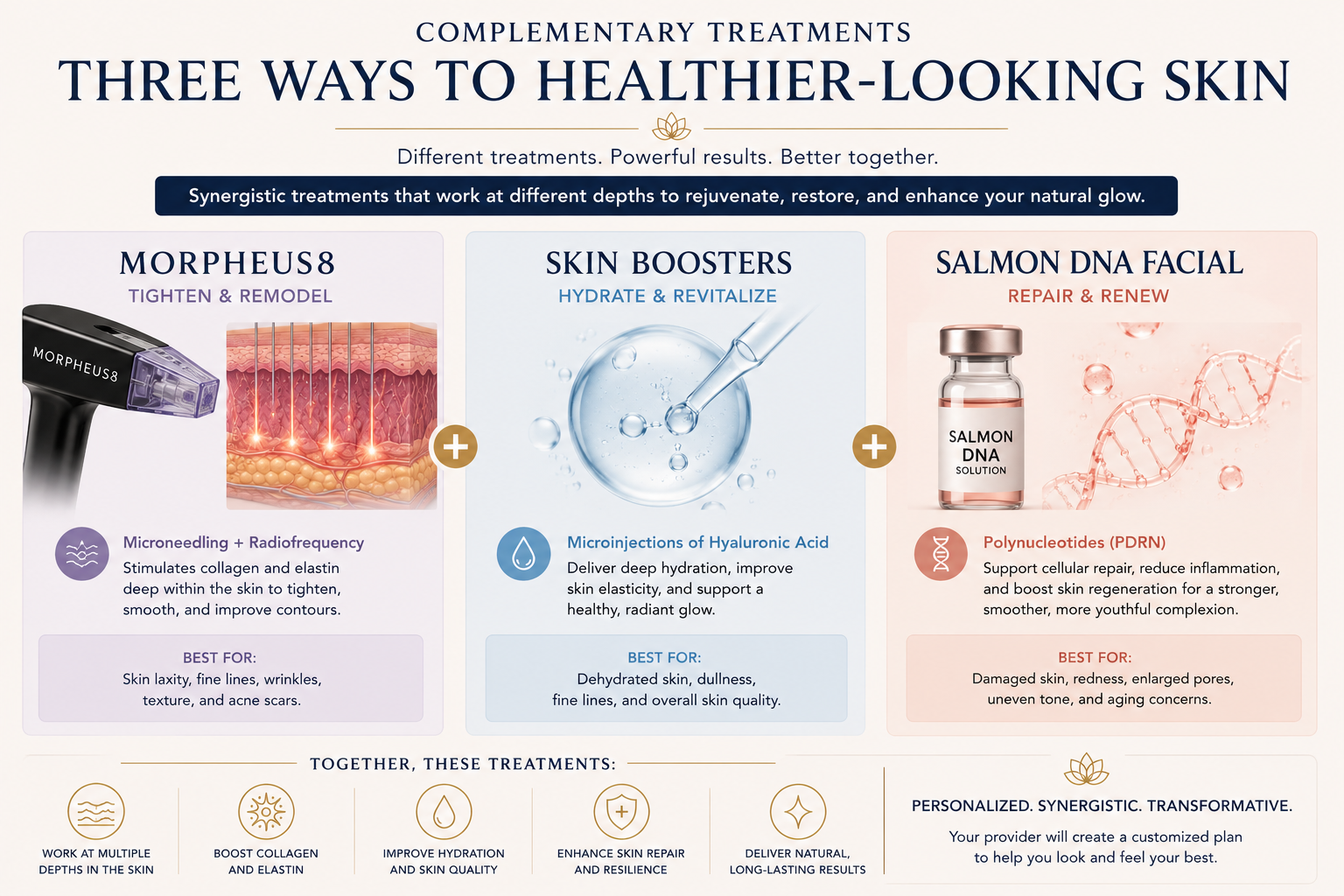
Morpheus8
Morpheus8 combines radiofrequency energy with microneedling to stimulate collagen remodeling beneath the skin.
It may be appropriate for patients concerned about:
Fine lines
Rough skin texture
Mild skin laxity
Overall skin rejuvenation
Rather than simply treating wrinkles, Morpheus8 focuses on improving skin quality over time.
Skin Boosters
Sun exposure often leaves skin looking dry and less radiant.
Skin Boosters use hyaluronic acid to improve hydration and skin quality, helping the skin appear smoother and healthier.
Although Skin Boosters don't reverse UV damage, they can complement a comprehensive skin rejuvenation plan.
Salmon DNA Facial
Patients looking to improve hydration and support healthier-looking skin may also consider Salmon DNA Facial treatments.
These treatments focus on improving overall skin quality and may be included as part of a personalized anti-aging plan.
Combination Treatments
Healthy skin rarely depends on a single procedure.
Many patients achieve the best results through a personalized combination of treatments designed to improve:
Collagen support
Skin hydration
Skin texture
Fine lines
Overall skin appearance
Because every patient's skin ages differently, a consultation is the best way to determine the most appropriate approach.
Daily Habits That Help Protect Your Skin
Professional treatments are only one part of maintaining healthy skin.
Daily habits have a significant influence on long-term skin health.
Consider making these practices part of your routine:
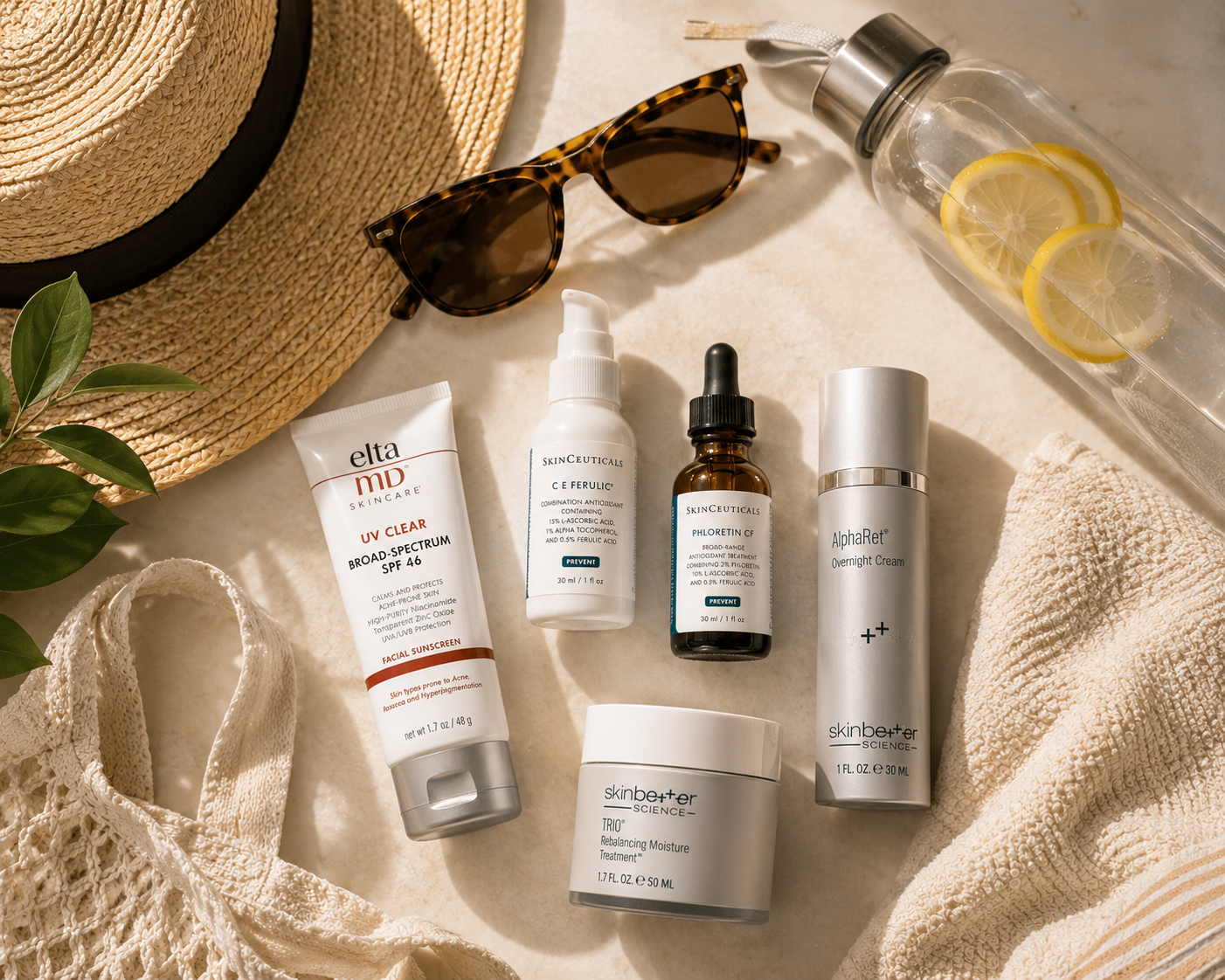
Apply broad-spectrum SPF 30 or higher every morning.
Reapply sunscreen during prolonged outdoor activities.
Wear sunglasses and wide-brimmed hats when possible.
Avoid tanning beds.
Maintain a healthy diet rich in antioxidants.
Stay hydrated.
Avoid smoking.
Schedule regular skin evaluations if you spend significant time outdoors.
Consistency matters more than perfection.
Small daily habits can make a meaningful difference over time.
Sun Damage Treatments in Monterey Park
At ME MEDSPA, we believe the best anti-aging treatment plans begin with understanding why your skin has changed.
Some patients are primarily concerned about:
Fine lines
Sun spots
Uneven skin texture
Loss of firmness
Dull-looking skin
Others experience several of these concerns together.
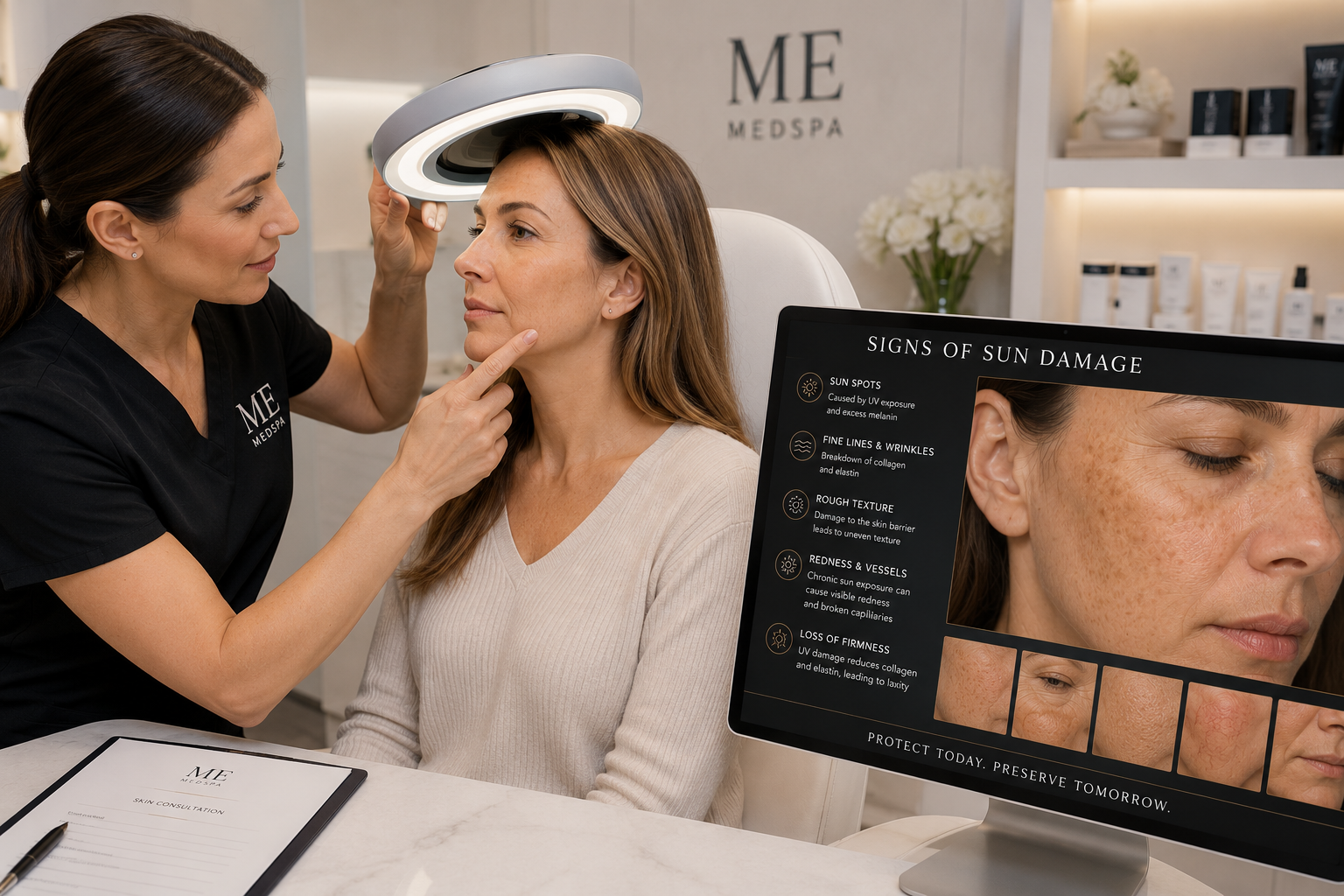
That's why every consultation begins with an assessment of your skin, your goals, and your lifestyle before discussing treatment options.
We proudly serve patients throughout:
Monterey Park
Alhambra
San Gabriel
Rosemead
East Los Angeles
Surrounding San Gabriel Valley communities
Related Reading
Continue learning with these educational resources:
Why Skin Ages After 30: Understanding Collagen Loss & How to Slow It Naturally
Crow's Feet: Causes, Prevention & Best Treatments in Monterey Park
Smile Lines vs. Nasolabial Folds: Why They Get Deeper With Age & What You Can Do
Exosomes vs. PRP: Which Skin Rejuvenation Treatment Is Right for You?
Frequently Asked Questions
Does the sun really make your skin age faster?
Yes. Long-term exposure to ultraviolet (UV) radiation contributes to photoaging, which includes wrinkles, uneven pigmentation, reduced elasticity, and other visible signs of premature skin aging.
What is photoaging?
Photoaging refers to skin aging caused by repeated UV exposure rather than the natural aging process alone.
Can sunscreen prevent wrinkles?
Daily sunscreen helps protect collagen and elastin from UV damage. While it can't eliminate existing wrinkles, it can help reduce future sun-related skin aging.
Can sun damage be repaired?
Some visible effects of sun damage may improve with professional treatments, healthy skincare habits, and consistent sun protection. Results vary depending on the individual and the extent of the damage.
Which treatment is best for sun-damaged skin?
The most appropriate treatment depends on your skin concerns. Options may include collagen-stimulating treatments, hydration-focused therapies, and personalized skin rejuvenation plans.
Is Morpheus8 good for sun-damaged skin?
Morpheus8 is commonly used to improve skin texture and stimulate collagen remodeling. Whether it is appropriate depends on your skin condition and treatment goals.
At what age should I start protecting my skin from sun damage?
Sun protection is beneficial at every age. Developing consistent sunscreen habits early can help reduce cumulative UV damage over time.
Book Your Consultation
Healthy skin isn't about avoiding the outdoors—it's about understanding how to protect your skin while enjoying life.
If you've noticed fine lines, uneven skin tone, rough texture, or other signs of sun-related skin aging, a personalized consultation can help you understand your options.
At ME MEDSPA, we create individualized treatment plans based on your skin concerns, lifestyle, and aesthetic goals.
Whether you're interested in prevention, skin rejuvenation, or improving the appearance of sun-damaged skin, we're here to help you make informed decisions and achieve natural-looking results.
Schedule your consultation today to learn which treatments may be right for your skin.

